Every Ohioan knows a place that carries a story. It may be a Main Street storefront, a neighborhood shaped by generations of families, a rural cemetery, a battlefield, a church, a park or a landscape whose importance cannot be measured by buildings alone.
For nearly 60 years, Section 106 of the National Historic Preservation Act has given communities a voice when federal decisions place those stories at risk. Now, preservation advocates warn that proposed regulatory changes could sharply reduce that voice.
The Vote That Raised the Alarm
On July 24, 2026, the Advisory Council on Historic Preservation announced that its members had voted to move forward with a proposed revision of the regulations governing Section 106. The proposal is not yet final. According to the Advisory Council, the draft has been sent to the Office of Information and Regulatory Affairs for interagency review. It must still be published in the Federal Register, followed by a public comment period and another vote before any final rule could take effect.
Even so, the scope of the draft has alarmed preservation organizations, Tribal representatives, state and local officials, architects and cultural-resource professionals across the country.
Preservation Ohio is joining Heritage Ohio, its fellow statewide preservation organization, as well as advocates across the state, in urging Ohioans to understand what is being proposed and act while the outcome can still be influenced.
What Section 106 Actually Does
Section 106 does not automatically stop construction, prevent development or give preservationists veto power over federal projects. Instead, it requires federal agencies to consider how projects they carry out, fund, license, permit or approve could affect historic properties. When a project has the potential to cause harm, the process brings agencies, preservation officials, Tribal Nations, local governments, property owners and members of the public into the discussion before a final decision is made.
The current process calls for identifying historic properties, assessing possible effects and exploring alternatives that could avoid, minimize or mitigate damage. As the Advisory Council’s own introduction explains, Section 106 gives interested parties and the public an opportunity to weigh in before decisions are final.
That consultation can lead to a redesigned road, the documentation of an archaeological site, protection for a burial ground, preservation of part of a historic district or changes that allow development to proceed with less damage. Good projects can survive review. In many cases, they emerge better informed and more responsive to the communities in which they are built.
What Could Be Lost
Preservation advocates say the proposed regulations would transfer much more control to individual federal agencies while reducing the rights of those outside the agency. Under the draft, public participation could become discretionary. Agencies would have broad authority to determine whether public involvement would be useful, how much weight to give public comments and when to incorporate those views into their decisions.
Language directing agencies to seek ways to avoid, minimize or mitigate harm would also be substantially weakened. State and local governments could lose guaranteed opportunities to participate in some reviews, while changes to consultation requirements could limit the role of Tribal Nations in decisions involving sacred and culturally significant places.
The proposed definition of property presents another concern. The draft says a protected property must include tangible human improvements and be “geographically compact.” It specifically excludes noncompact natural features such as mountains, valleys, bodies of water and cultural landscapes. That definition could place large rural and urban historic districts, traditional cultural landscapes and other significant places outside the protection of Section 106.
Historic preservation is about far more than famous buildings. It also protects neighborhoods, archaeological sites, battlefields, burial grounds, sacred places, parks, Main Streets and landscapes that help communities understand who they are. Once those places are destroyed, they cannot be replaced.
Preservation and Progress Can Work Together
America has built highways, bridges, ports, military facilities, power plants and other major infrastructure while operating under Section 106 for decades. Consultation does not have to stand in the way of progress. When it begins early, it can reveal problems before construction starts, when designs can still be changed and solutions remain affordable.
Removing consultation does not remove conflict. It can simply postpone that conflict until communities discover what is happening, projects are already underway and litigation becomes more likely.
The central question is not whether development should occur. It is who should have a voice in deciding how it occurs. Should federal agencies make those decisions largely on their own, or should the people who live with the consequences have a seat at the table?
What Ohioans Can Do Now
The proposed rule has not yet been published in the Federal Register, so the formal public comment period has not begun. There are still meaningful steps Ohio residents, organizations and local governments can take:
- Contact members of Congress and explain how Section 106 has protected places in your community.
- Gather examples of projects in which consultation prevented damage, improved a plan or resolved a local conflict.
- Begin preparing comments based on specific provisions of the proposed regulations.
- Watch for the Federal Register notice and submit comments during the official response period.
- Encourage local historical societies, preservation commissions, municipal governments and community organizations to participate.
Cultural Heritage Partners has created a Section 106 War Room containing the proposed regulations, talking points, presentations, sample materials and updates on the rulemaking process.
Local voices matter most before decisions are made, not after the bulldozers arrive. The places carrying Ohio’s history belong to communities across the state. Protecting the public’s ability to speak for them is not simply a preservation issue. It is a matter of accountability, public participation and democracy. The future of Ohio’s past depends on it.
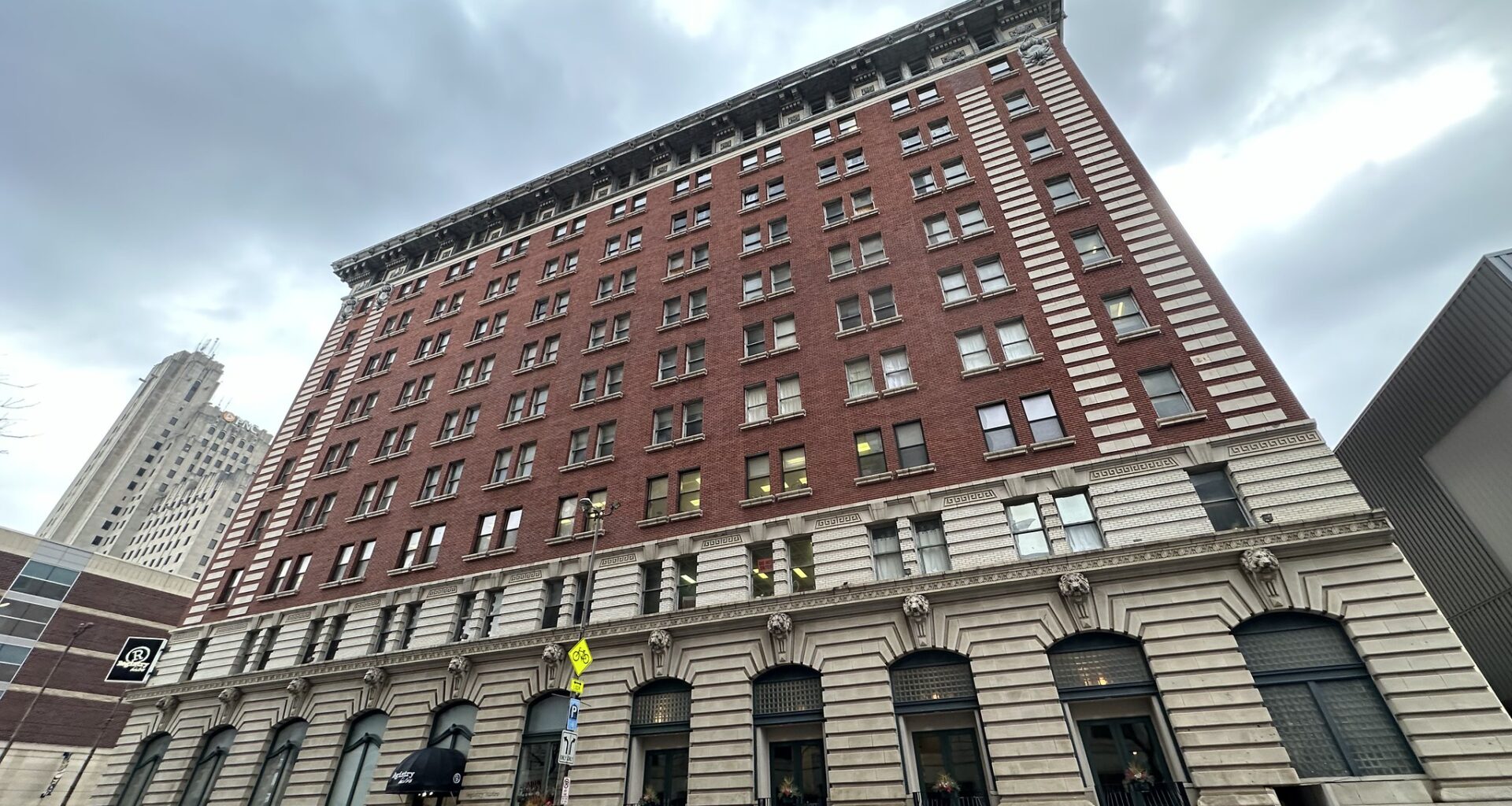
Photo: Hotel Secor, Toledo – Creative Commons License