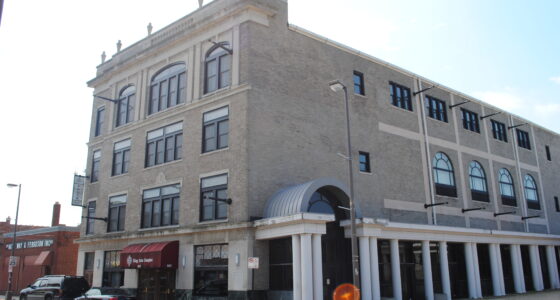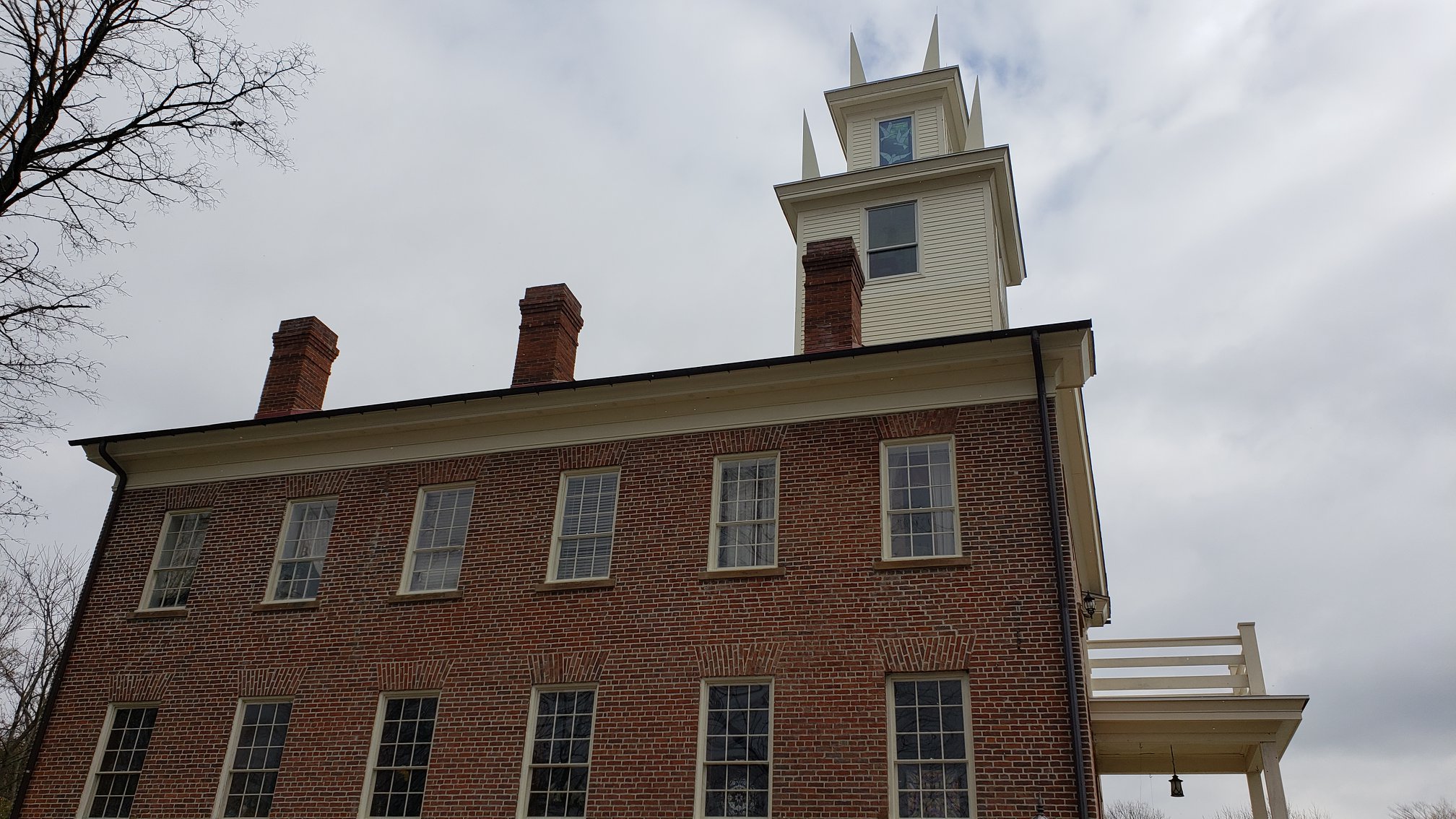

A new application round is underway for the Ohio Historic Preservation Tax Credit Program, a state initiative designed to help property owners and developers rehabilitate historic buildings and return them to productive use. Administered by the Ohio Department of Development in partnership with the Ohio History Connection’s State Historic Preservation Office, the program provides state tax credits for qualifying rehabilitation projects.
Through its first 36 rounds, the program has supported the rehabilitation of 1,032 historic buildings in 95 Ohio communities.
“Historic buildings don’t have to be reminders of what a community once was—they can be part of what it becomes,” Department of Development Director Lydia Mihalik said. “By bringing these properties back to life, we’re creating new opportunities for businesses, strengthening neighborhoods, and preserving an important part of Ohio’s story.”
Round 37 Moves Ahead
The program is now accepting participants for Round 37, although one preliminary deadline has already passed. Applicants were required to request a pre-application meeting with the State Historic Preservation Office by July 31.
For those moving forward in the process, an Intent to Apply must be submitted by 4:00 PM Aug. 14. The Intent to Apply form is available through the Department of Development’s historic preservation program website.
The remaining Round 37 schedule includes:
- Aug. 14, 4:00 PM – Intent to Apply deadline
- Aug. 14, 5:00 PM – SHPO pre-application meeting deadline
- Aug. 31, 5:00 PM – Historic Documentation Parts 1 and 2 deadline
- Sept. 1 through Dec. 1 – SHPO documentation review
- Sept. 30, 4:00 PM – Application and fee deadline
- Oct. 1 through Dec. 1 – Department of Development application review
- By Dec. 31 – Awards announced
What Makes A Building Eligible
Not every older building qualifies. The State Historic Preservation Office determines whether a property meets the program’s historic requirements and whether proposed rehabilitation work complies with the U.S. Secretary of the Interior’s Standards for Rehabilitation.
An eligible building must meet at least one of several criteria. It may be individually listed on the National Register of Historic Places, contribute to a National Register Historic District, be located within another qualifying historic district, or be designated as a local landmark by a Certified Local Government.
That review is important because the program is intended not simply to renovate older buildings, but to rehabilitate them while retaining the architectural features and historic character that make them significant.
“The Ohio Historic Preservation Tax Credit program is essential to preserving historic buildings throughout Ohio,” State Historic Preservation Officer Diana Welling said. “Along with federal historic tax credits, this program helps preserve communities and their sense of place, allowing them to continue telling stories from Ohio’s history.”
A Path For Buildings Not Yet Listed
Properties that appear historically significant but are not yet listed on the National Register may have another avenue available. Building owners and developers can seek assistance through Ohio’s Historic Preservation Pipeline Initiative, which helps advance nominations of qualifying buildings and districts to the National Register of Historic Places.
Information about the tax credit program is available at development.ohio.gov/historic, while details about the Pipeline Initiative can be found through the Department of Development’s Historic Pipeline program.
For communities with prominent buildings waiting for their next use, the two programs can provide something particularly valuable: a path that connects preservation not simply with the past, but with what happens next.