(February 2, 2026) – Preservation Ohio, the state’s original statewide historic preservation organization, has announced the official List of Ohio’s Most Endangered Historic Sites.
For the first time in its 33-year history, this important announcement is being made at the start of a year. This is largely in recognition of the fact that winter is typically a time in Ohio when property owners and decision makers take the time to consider options before moving forward with plans impacting local historical resources. This also means that this list incorporates 2025 nominations, meaning that for this single occasion there will be no 2025 list.
Over three decades ago, Ohio’s statewide preservation organization was looking for ways to increase the visibility of local historic sites at risk of loss. The goal was to promote reinvestment in Ohio’s past while also highlighting the ways in which that history was neglected, ignored, or undervalued. The first Ohio’s Most Endangered Historic Sites list was published in 1993.
The list has proven to be a remarkable success over the last 33 years. Many sites across Ohio remain standing and part of the fabric of our cities, towns, rural areas, and landscapes because of the spotlight afforded properties like the John T. Wilson house in Adams County; the Westcott House (Frank Lloyd Wright’s only Prairie style commission in the state); the Historic Unionville Tavern on the Lake/Ashtabula County border; and the Athenaeum in downtown Columbus. True, several have been lost, but none without some degree of attention and focus.
For the present list, Preservation Ohio again received a strong number of nominations. This confirms that the future of Ohio’s past is anything but a given. Ohio’s Most Endangered Historic Sites is unique among such lists nationwide in that it highlights historic buildings and sites submitted from local citizens and advocates, each hoping to bring attention and to identify ways to give important historic properties a future. Out of the many properties nominated this year, Preservation Ohio’s board was tasked with choosing the most at risk. Fourteen properties representing all areas of Ohio are included in this years edition.
Since its inception in 1993, being named to the list has contributed to saving examples of Ohio’s architectural, cultural and natural heritage. Circumstances that contribute to the endangered status and result in sites being named to the list typically include one or more of the following factors: demolition threat, abandonment, neglectful owner, deterioration, obsolete use, lack of funding for repairs, location or development.
About Preservation Ohio – Preservation Ohio is Ohio’s original statewide historic preservation organization, an independent, non-profit organization recognized under Section 501 (c) (3) of the Internal Revenue Code. Preservation Ohio was established in 1982 to enhance the understanding of and appreciation for Ohio’s historic resources and to serve as a focal point for Ohio organizations, municipalities, corporations and individuals who care about these resources and are concerned about preservation for future generations. For more information and updates, visit our website at www.preserveohio.com, follow us on Twitter @PreservationOH, or like us on Facebook. Preservation Ohio is celebrating its 44th Anniversary this May.
All of the information below is taken from each site’s nomination form. For previous years’ lists, click here. Click any image below for a larger view. More information is available by contacting Thomas Palmer, Executive Director, at: thomasp@preserveohio.com.
The 2026 List of Ohio’s Most Endangered Historic Sites
Dunbar School – Cadiz, Harrison County
Peace Lutheran Church – Galion, Crawford County
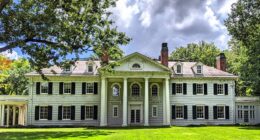
Franchester Place – Lyndhurst, Cuyahoga County
Former Hancock County Probate Court Building – Findlay, Hancock County
First English Lutheran/Second German Baptist Church – Dayton, Montgomery County
The Manchester Hotel – Middletown, Hamilton County
Rockefeller Building – Cleveland, Cuyahoga County
Firestone Plant 1 – Akron, Summit County
John Engleman House – Findlay, Hancock County
Central High School – Cleveland, Cuyahoga County
Dunbar School – Cadiz, Harrison County
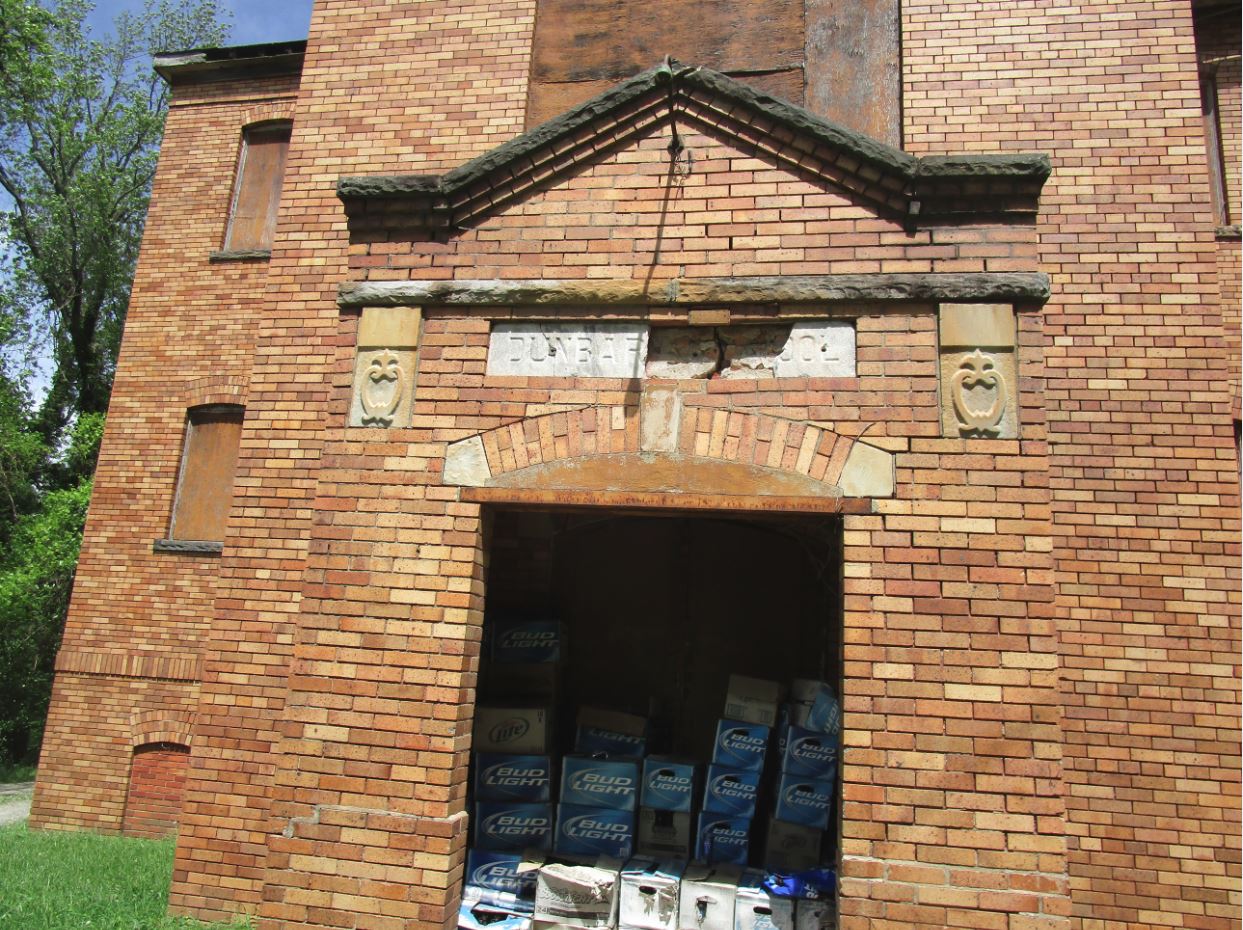
This structure is the old ‘Dunbar Colored School,’ a circa 1900 masonry building constructed by the family of pioneer African-American builder, Josiah Lucas, who came to Cadiz as a Free man from Virginia in 1855. Generations of students went to school in this building. A notice about demolition funds being received was posted in a local newspaper in early 2025. That shared, there are efforts to create a 501 C-3 non-profit to save the school and eventually rehabilitate or restore it and repurpose the building to interpret African American history in the Village of Cadiz.
Peace Lutheran Church – Galion, Crawford County
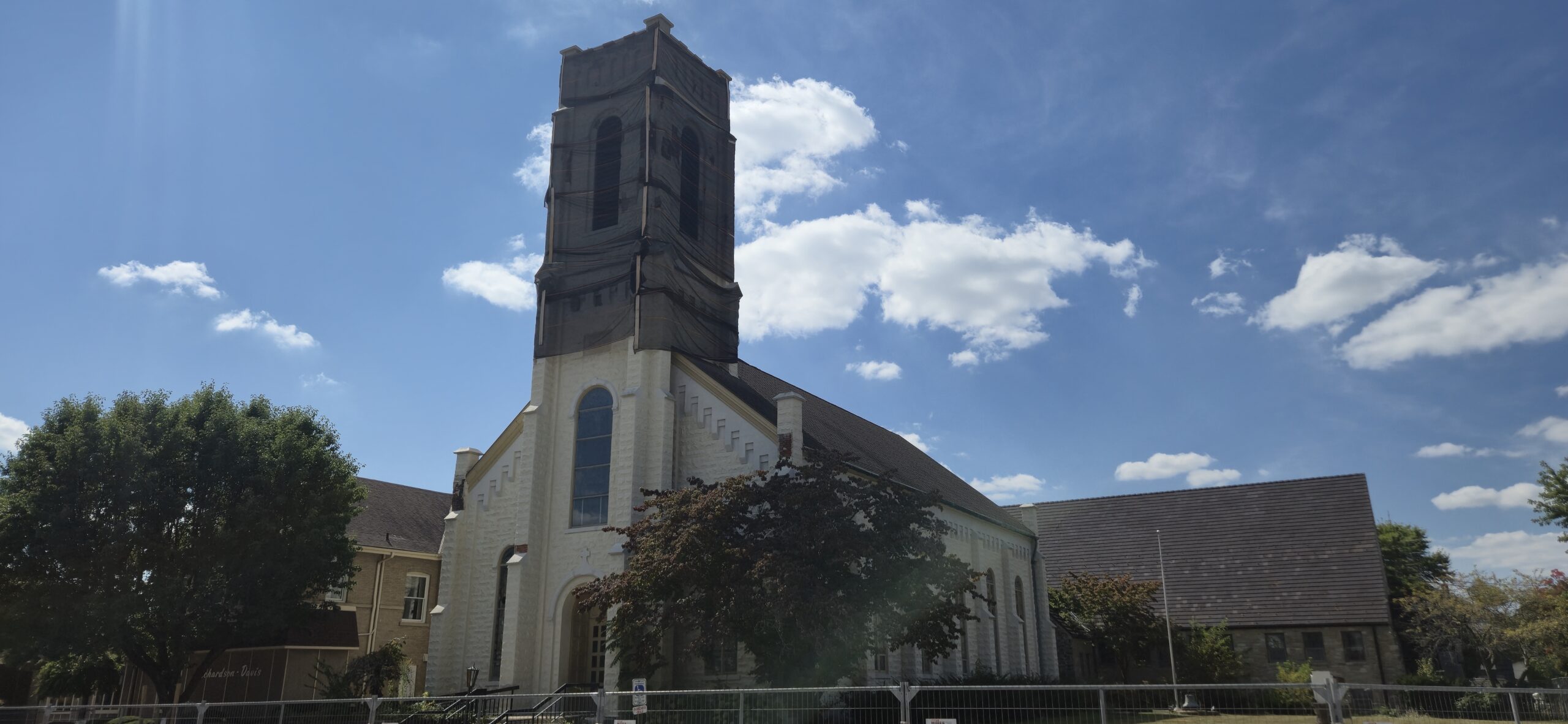
At the time that the parish ceased operations two years ago, this building was the oldest in this north central Ohio city still housing its original congregation. It was gifted to the local Port Authority, which then conducted a minimal effort to market and transfer the structure for church or adaptive reuse. A windstorm caused exterior cladding damage to the steeple, and the authority changed its position to seeking the entire sanctuary’s removal for new residential construction. The city opposed those plans, and the steeple has been partially removed while the entire building faces an unknown future.
Franchester Place – Lyndhurst, Cuyahoga County
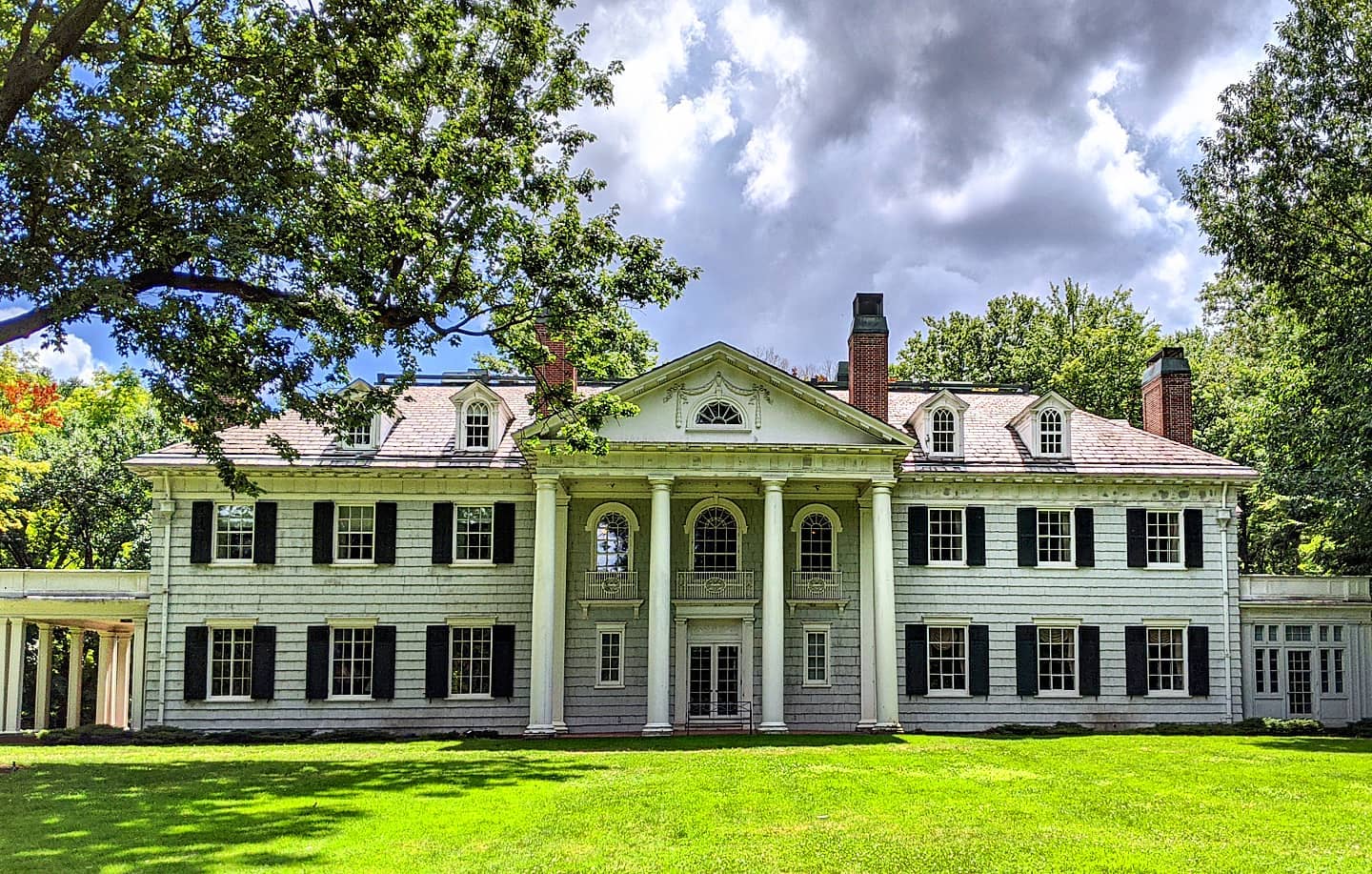
The house was designed by Prentice Sanger as a residence for Frances Payne Bolton and her husband, Chester C. Bolton. It is a large colonial revival structure with a large yard and substantial stonework. Frances Bolton had a notable career as a member of Congress and a significant impact in the field of historic preservation. The building has been owned by the the Cleveland Clinic Foundation. Local preservation interests fear the future as they feel the Foundation has a track record of neglecting historic structures until their condition can be used to justify removal.
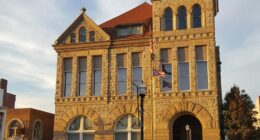
Former Hancock County Probate Court Building – Findlay, Hancock County
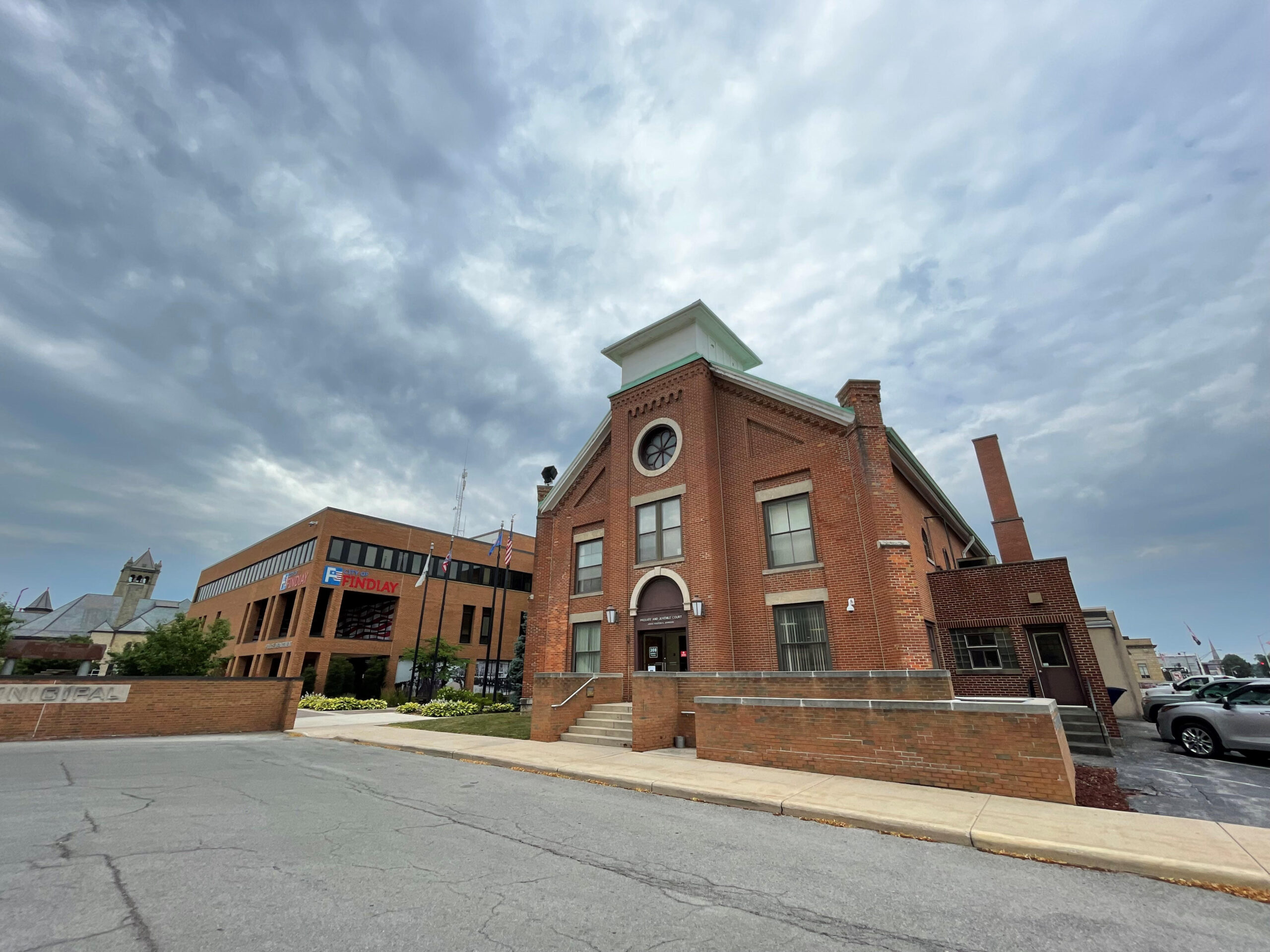
The only repeat listing this year, the building’s future is still undetermined. This building was originally built as the First Congregational Church. The church purchased a lot next to the Courthouse, where they built this beautiful building. Eventually the church disorganized in the mid 1880s. The County is currently building a new building to house the Probate and Juvenile Courts due to lack to space in the current building. This may be the oldest still standing religious structure in Hancock County. A number of people in the community would like to see it saved, including historical organizations.
The Manchester Hotel – Middletown, Hamilton County
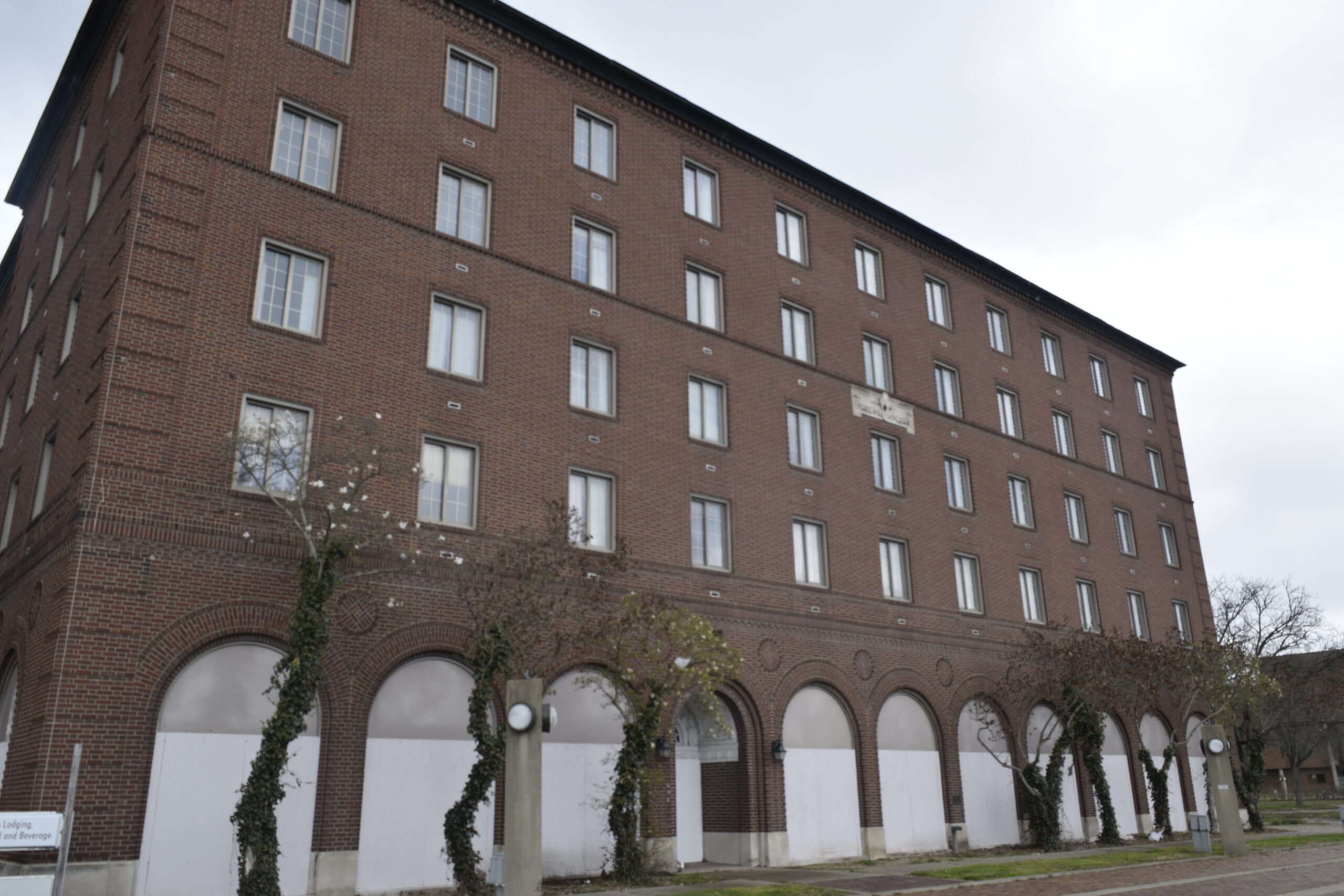
The Manchester Hotel in Middletown, built in 1922 by ARMCO Steel to house visitors to its mill, became the city’s longtime social center. This five story brick structure was designed by Frank Packard, a prolific Ohio architect responsible for thousands of buildings statewide. Vacant for more than a decade, the hotel has deteriorated while Middletown City Council reviews concepts that could replace it with new construction. Its loss would remove a key physical link to the city’s industrial and social history during a period when such connections are increasingly rare.
First English Lutheran/Second German Baptist Church – Dayton, Montgomery County

The vacant 1872 church at 1420 E. 4th Street in Dayton received a new roof in 2020 but remains exposed to weather and deterioration. Stained glass windows hang loose or have fallen, and the interior is vulnerable to further damage. Several congregations once worshiped here, giving the building deep community history. No organized preservation effort is underway, and the property is for sale. Preservation Dayton hopes visibility will attract a qualified buyer who can stabilize the structure and pursue adaptive reuse, potentially qualifying for Historic Tax Credits while preserving remaining historic fabric.
Rockefeller Building – Cleveland, Cuyahoga County
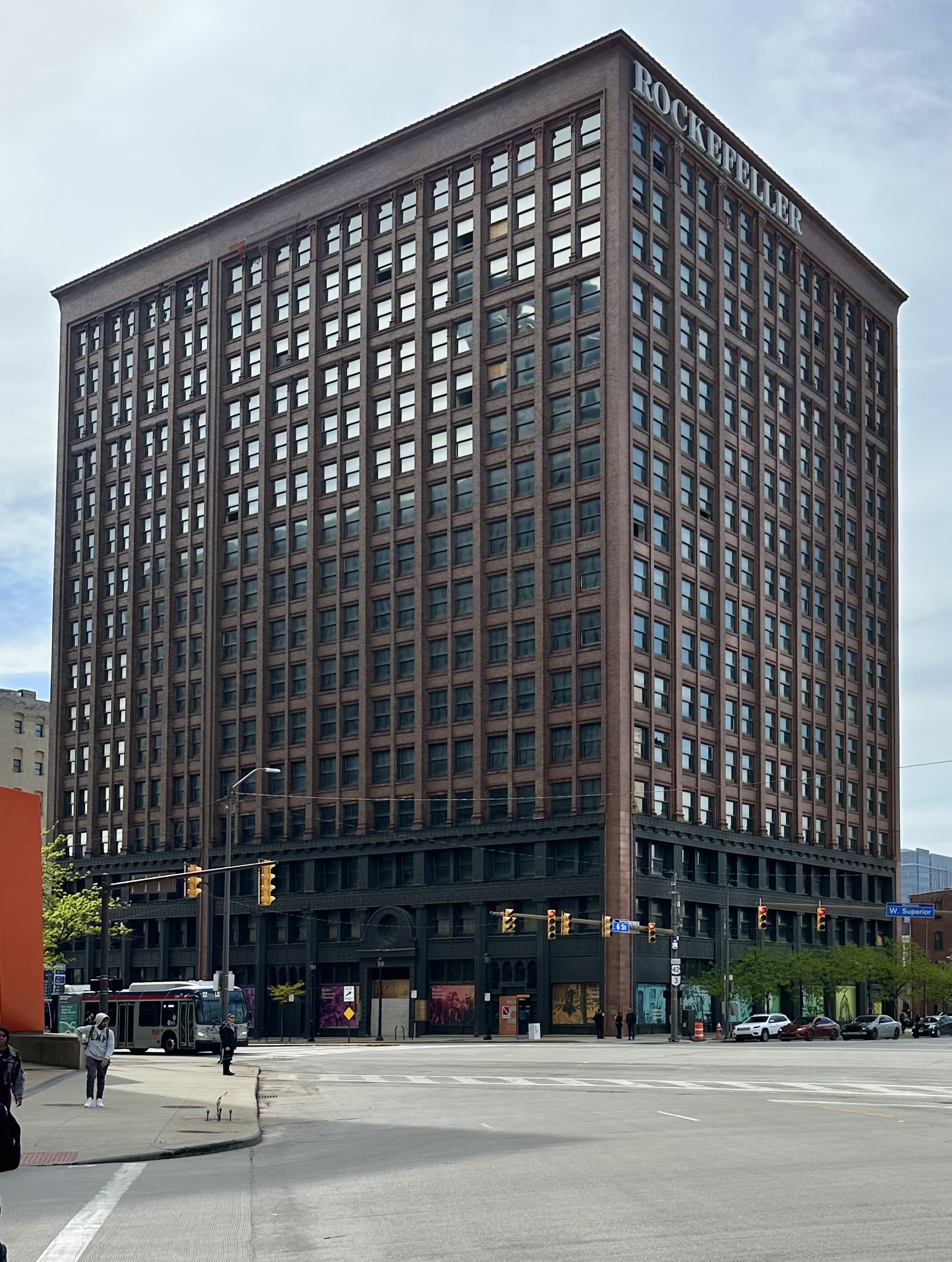
The 17 story Rockefeller Building in Cleveland’s Warehouse District was commissioned by John D. Rockefeller and constructed between 1903 and 1905. Its lower floors display an ornate cast iron facade, while upper levels are brick capped by a cornice influenced by Louis Sullivan. Once slated for apartment conversion, redevelopment plans collapsed in April 2024 due to funding gaps. The structure is now vacant, vandalized, and nearing sale, with the intentions of prospective owners unknown, leaving one of downtown’s notable historic towers in a precarious and highly uncertain condition.
Firestone Plant 1 – Akron, Summit County
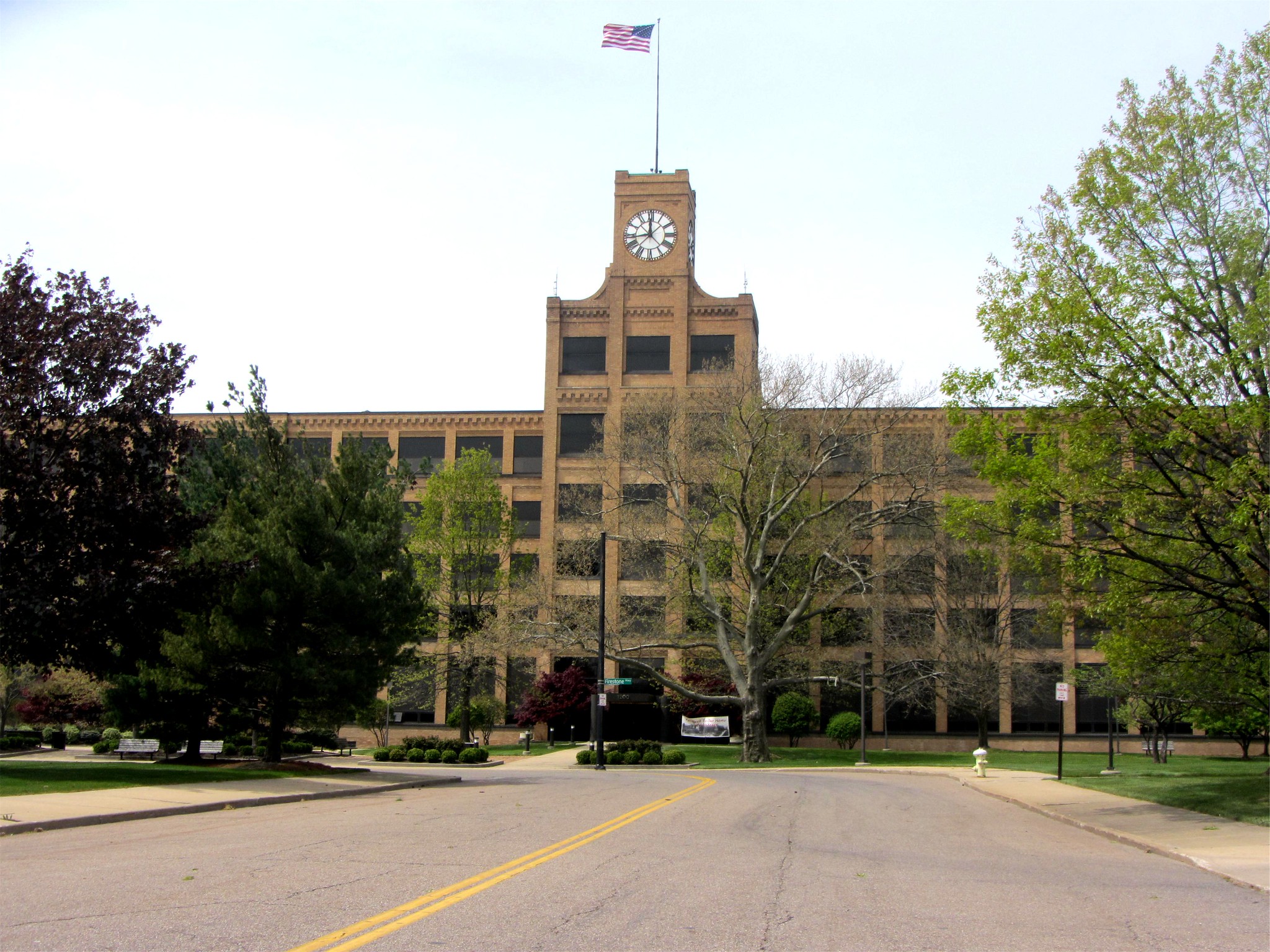
The former Firestone Tire and Rubber Plant in Akron is a 1910 buff brick complex with 1916 additions and a clock tower from the early 1920s that has long defined the Firestone Park neighborhood. It was the first major facility built by the Firestone Tire & Rubber Company and is listed on the National Register of Historic Places. Owned by the city since 2013, it has suffered vandalism and decay. A prior plan would have saved the front wing and tower, but a July 2025 shift toward full demolition prompted concern from the Ohio State Historic Preservation Office and a pause for reconsideration.
John Engleman House – Findlay, Hancock County
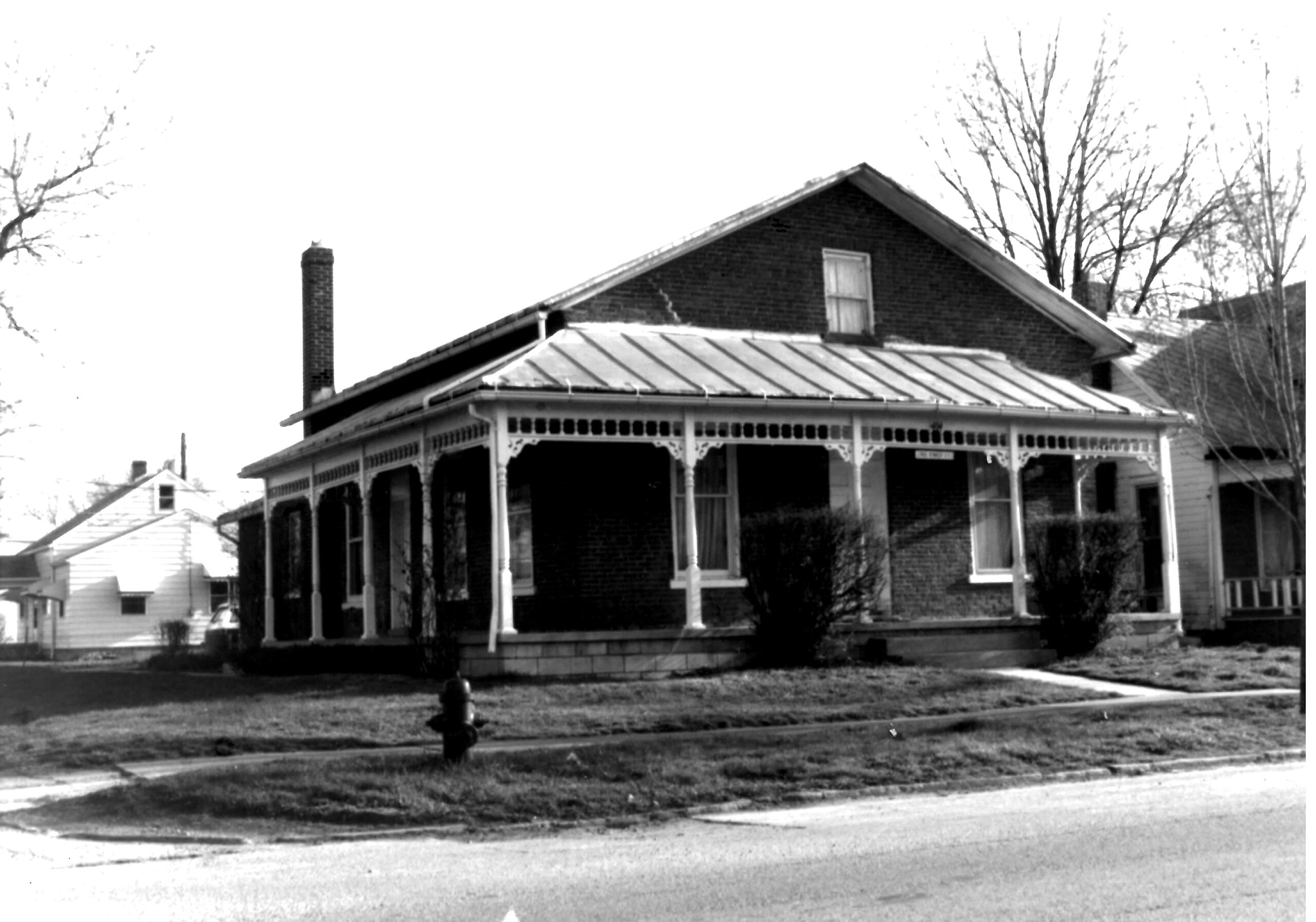
The Engleman House in Findlay, built in 1836 by pioneer John Engleman, represents early settlement architecture in a pre railroad folk style. In 1840 it hosted Findlay’s first Catholic Mass, linking it directly to the city’s religious and civic beginnings. Purchased by the local YMCA for expansion that never occurred, the structure now declines through neglect. Community members recognize its importance, but no clear preservation plan exists. The house remains a rare surviving witness to Findlay’s formative years, waiting for leadership and investment to prevent irreversible loss.
Central High School – Cleveland, Cuyahoga County
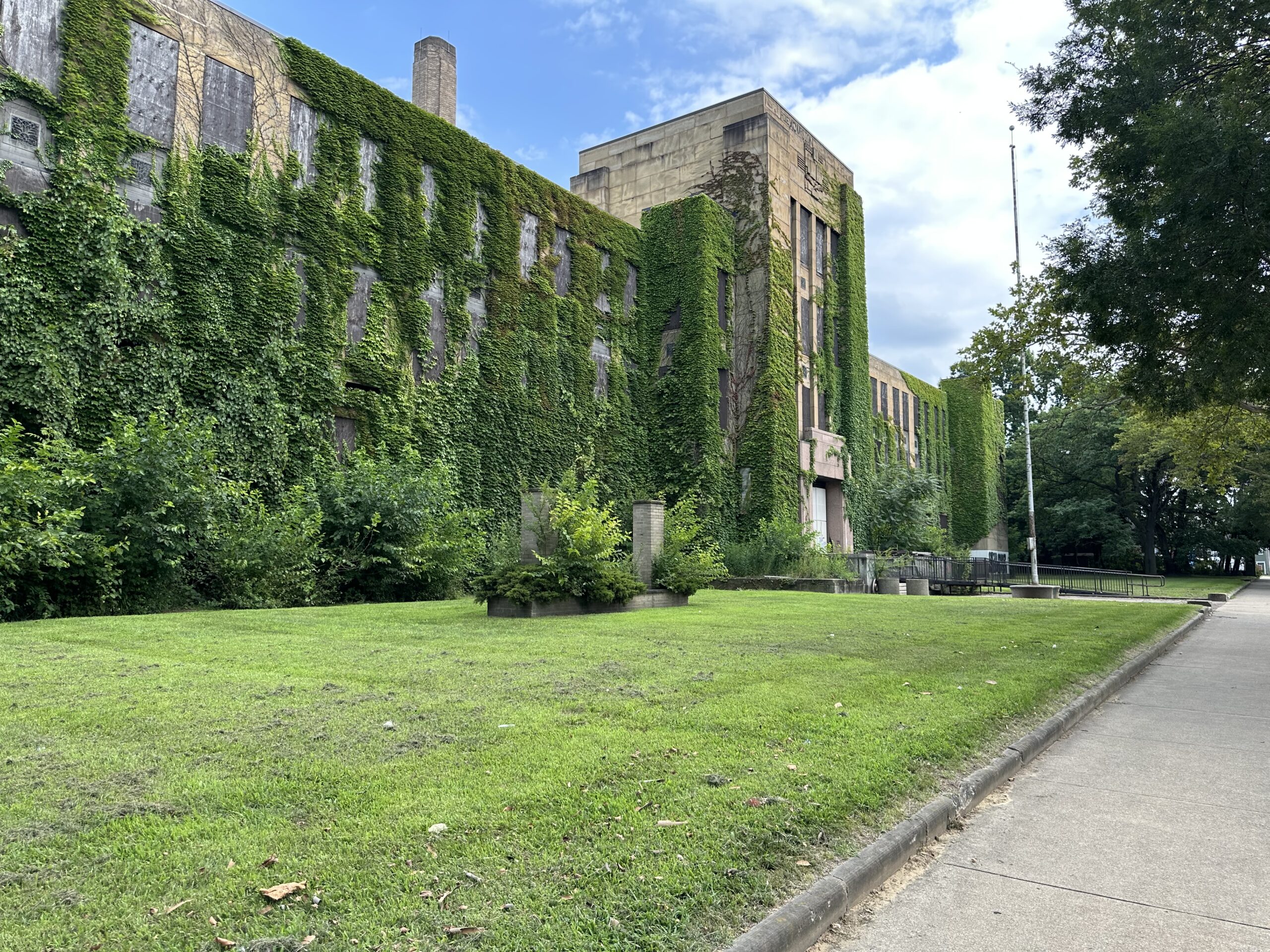
Central High School at 2225 East 40th Street in Cleveland was built around 1940 and closed in 2013 after use as an elementary school by the Cleveland Metropolitan School District. The boarded building is deteriorating while plans advance for a $1.45 million demolition. As the final home of Central High School, founded in 1846 as the first free public high school west of the Alleghenies, it connects to alumni such as John D. Rockefeller, Langston Hughes, Charles F. Brush, and Louis Stokes, underscoring its landmark educational legacy.